
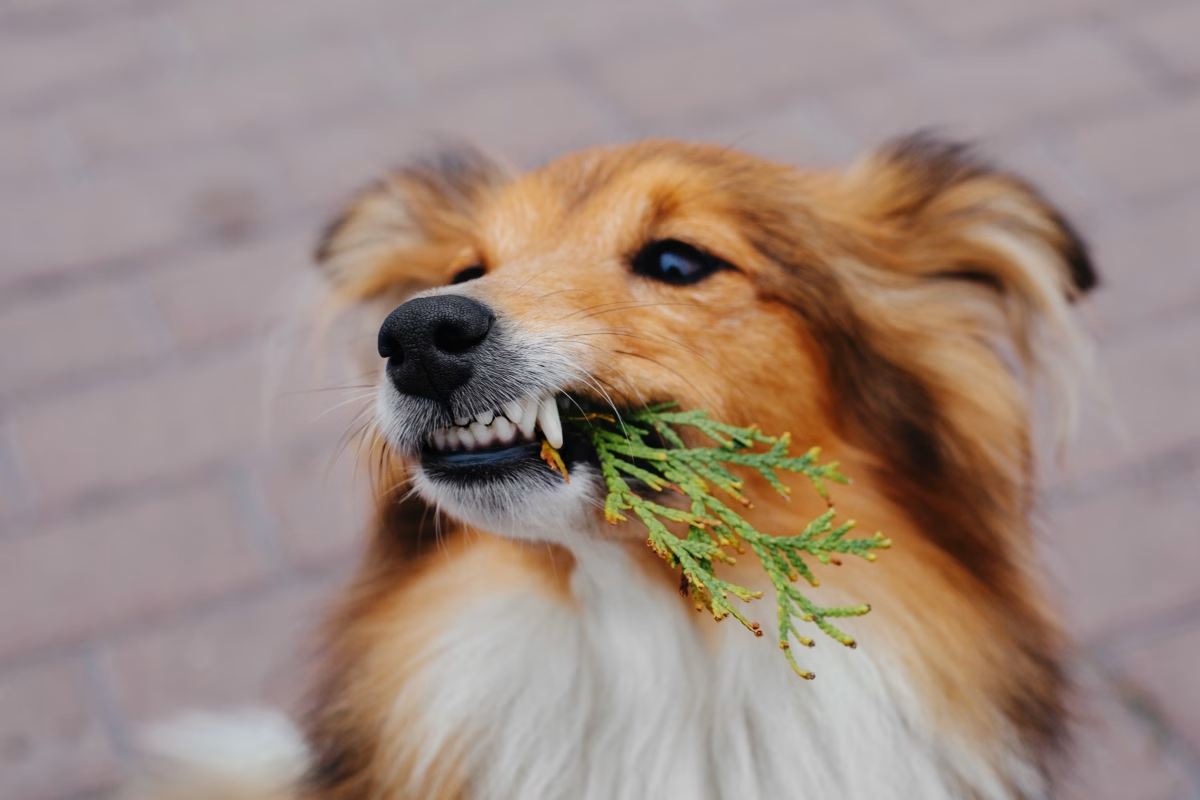
When was the last time you checked your dog’s teeth? Dental disease in dogs is more common than you might think. Even if your dog’s teeth look clean, studies show that 80 to 90% of dogs over the age of three have some level of gum disease, known as periodontal disease.
This condition affects the gums, bones, and tissues that support the teeth. And the consequences go far beyond bad breath. Poor oral health can lead to pain, bleeding gums, and tooth loss.
In severe cases, the infection can even enter the bloodstream and affect vital organs like the liver, heart, and kidneys. Fortunately, many of these problems are preventable.
Alongside good oral hygiene and routine professional dental cleanings, a healthy, balanced diet that supports good oral health in dogs can go a long way in protecting their teeth and overall well-being.
How To Choose The Best Dog Food
With the annual cost of feeding a dog in the US totaling over $865, do you really know what’s in your dog’s food? Choosing the right food for your dog’s oral health isn’t just about picking a commercial brand that claims dental benefits.
Instead of relying on marketing hype, check dog food reviews that use scoring systems like DogFoodSheriff to get an honest view of nutritional value, ingredient quality, and real dog owner experiences.
They award points across 25 different criteria to provide a comprehensive evaluation of the quality of dog kibble. Aside from checking out reviews, make sure the food genuinely supports healthy teeth and gums and offers complete, balanced nutrition for your dog’s overall well-being.
Look for foods with ingredients that promote dental health, such as crunchy kibble that helps reduce plaque build-up or added minerals and enzymes that support gum health.
It should also include high-quality ingredients like whole grains, real meat, and natural additives, not artificial fillers or preservatives, to support immune function, joint health, and energy levels.
The Benefits Of Dry Food
Dry dog food, or kibble, is one of the most effective ways to help scrape plaque off your dog’s teeth. The action of chewing on kibble helps dislodge food particles and plaque from teeth, reducing the buildup that leads to tartar and gum disease.
The crunching action involved with kibble acts similarly to brushing your dog’s teeth, making it a natural tool for oral care. In fact, research shows that dogs that eat dry food have more diverse oral bacteria in their mouths, including high levels of beneficial bacteria that can help prevent dental diseases, compared to those eating wet food.
Many high-quality dry foods are also designed with special textures or ingredients that promote oral hygiene. Some brands even incorporate specific dental formulas that help reduce plaque and tartar accumulation.

Fruit And Vegetables For Better Oral Health
Many dogs love snacking on fruits and crunchy vegetables, and these can be a natural, effective way to support their oral health. Crunchy foods like apples, carrots, and celery help gently scrub plaque from your dog’s teeth like a toothbrush while providing essential vitamins, fiber, and minerals.
Chewing these foods also stimulates saliva production, which helps wash away food particles and bacteria, reducing the risk of plaque build-up. Fruits like blueberries are rich in antioxidants, which support gum health and help reduce inflammation.
However, it's important that you only feed these treats in moderation due to their natural sugar content. Additionally, avoid fruits with seeds as they can be choking hazards or pose other health risks.
Cleaning Your Dog’s Teeth with Raw Meaty Bones
Regular professional dental cleanings are essential, but the right raw bones can also help keep your dog’s teeth clean. Gnawing on firm, appropriately sized bones scrapes away plaque and tartar, stimulates helpful enzymes, and the meaty edges can act like floss.
However, never give your dog cooked bones, which can break or splinter, or weight-bearing bones from large animals, especially to aggressive chewers, as they can fracture teeth. Safer options include raw beef knuckle bones, lamb necks, or recreational marrow bones.
Always supervise your dog and choose a bone larger than their mouth and head to prevent choking. Dental chews and toys are great alternatives if you’re unsure about raw bones.
While regular professional teeth cleanings and check-ups with the veterinarian are essential for your dog’s oral health, you can also help promote good oral hygiene by feeding your dog a healthy, balanced diet.
Choosing the right food can contribute to maintaining strong teeth and healthy gums, helping to ensure your dog’s overall well-being.
